Nursing Care Plan

Search Here

Showing posts with label Nursing Interventions. Show all posts

Hyperthermia related to Neonatal Sepsis


Nursing Diagnosis and Interventions for Neonatal Sepsis

Sepsis is a syndrome characterized by clinical signs and symptoms of severe infection that can progress toward septicemia and septic shock. (Doenges, 1999)

While neonatal sepsis is a severe infection that affects neonates with systemic symptoms and there are bacteria in the blood. Neonatal sepsis course of the disease can take place quickly so often not monitored, without adequate treatment babies can die within 24 to 48 hours. (Surasmi, 2003).


Nursing Diagnosis and Interventions for Neonatal Sepsis

Hyperthermia related to damage control temperature, secondary to infection or inflammation.

Expected outcomes:
  • The body temperature within normal limits.
  • Pulse and breathing frequency within normal limits.

Intervention and Rationale:

1. Monitoring of vital signs every two hours and monitor skin color.
R /: Changes in vital signs that would significantly affect the regulatory processes or metabolism in the body.

2. Observation of seizures and dehydration.
R /: Hyperthermia potential to cause seizures that will worsen the patient's condition and can cause the patient to lose a lot of fluid in the evaporation of an unknown number and can cause the patient goes into a state of dehydration.

3. Give compress with warm water in the axilla, neck and groin, avoid using alcohol to compress.
R /: Compress the axilla, neck and groin are large blood vessels, which helps reduce fever. The use of alcohol is not done because it will cause a decrease and an increase in heat drastically.

4. Collaboration: Give antipyretics as needed if the heat does not go down.
R /: Giving antipyretics are also required to reduce the heat immediately.


Nursing Care Plan for Hyperthermia
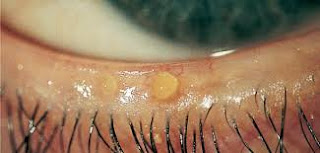
Disturbed Sensory Perception (visual) related to Blepharitis


Disturbed Sensory Perception (visual) related to Blepharitis
Nursing Care Plan for Blepharitis

Blepharitis or better known as inflammation of the eyelids is one of the eye diseases to watch out for. The disease is caused by the oil glands at the base of the lashes were damaged, causing itching in the eyelids, irritation, even to inflammation. If this is allowed then it would be blepharitis.

Although blepharitis does not cause permanent damage to the eye, but very disturbing activities of our vision.

Symptoms of Blefarits as follows:
  • The eyelids are often greasy.
  • Itch on the eyelids.
  • Burned in the eye.
  • Eyes look red.
  • Frequent watery eyes.
  • Eye swelling of the eyelids.
  • Eyelash gross waking.
  • Very sensitive to light.
  • Have peeling skin around the eyes.
  • Eyelashes fall out.
  • Eyelashes abnormal and irregular direction.

Main causes of the occurrence of blepharitis (inflammation of the eyelids)
  • Infected by the bacteria.
  • Glands damaged eye.
  • Dandruff of the scalp to eyebrows.
  • Rosacea.
  • Allergic to something eg eye drops, eye lens.


Nursing Diagnosis and Interventions for Blepharitis :

Disturbed Sensory Perception (visual) related to reception interference status sensory organs.

Goal: Increase the visual acuity within the limits of individual situations.

Expected outcomes:
  • Know the sensory disturbances and compensate for changes.
  • Identify / fix potential hazards in the environment.

Intervention:

1) Determine the visual acuity, note whether one or both eyes are involved.
Rational: individual needs and choice of interventions varied causes vision loss occurs slowly and progressively.

2) Observe the signs and symptoms of disorientation.
Rational: woke up in unfamiliar surroundings and have limited vision.

3) Orient the patient on the environment, other people in the area.
Rationale: provides increased comfort and familiarity.

4) Notice about blurred vision and eye irritation, which can occur when using eye drops.
Rational: impaired vision / irritation can end 1-2 hours after use of eye drops, gradually decreases with usage.

5) Place the items needed / call bell within reach positions on the near side.
Rational: allowing patients to see objects more easily and facilitate the call for help when needed.

Ineffective Airway Clearance - NCP for Bronchiectasis

Nursing Care Plan for Bronchiectasis

Bronchiectasis is a chronic dilatation of the bronchi and bronchioles that may be caused by various conditions, including lung infections and bronchial obstruction; foreign body aspiration, vomit, and objects from the upper respiratory tract; and the pressure due to a tumor, blood vessels dilated and enlarged lymph nodes (Brunner & Suddart, 2002).

According Suyono (2001) etiology of bronchiectasis are:

1. Infection
Bronchiectasis often occur after a child suffering from pneumonia who frequently relapse and long lasting. Pneumonia is generally a pertussis or influenza complications suffered during the child, pulmonary tuberculosis, and so on.

2. Abnormalities hereditary or congenital abnormalities
In this case bronchiectasis occurs in the womb. Genetic factors or growth factors and fetal development plays an important role. Usually has the characteristics on almost all branches of the bronchi in the lungs one or two. Usually accompanied by other congenital diseases.

3. Bronchial obstruction
Obstruction is meant as a corpus alienum, bronchial carcinoma and other external pressure against the bronchi.


Pathophysiology

According to Brunner & Suddarth (2002) pathophysiology of bronchiectasis starting from infections that damage the bronchial wall, causing loss of supporting structure and produce thick sputum that can eventually clog the bronchi. Bronchial walls become stretched permanently as a result of severe coughing, infection extends to peri bronchial, so that in the case of secular bronchiectasis, each tube is actually dilated pulmonary abscess, which exudates to flow freely through the bronchi. Bronchiectasis is usually local, attacking lung lobe segment. Lower lobe most often affected.

Retention secretion and obstruction resulting eventually cause obstruction distal side alveoli collapse (atelectasis). Due to scarring or fibrosis replaces lung tissue inflammatory reaction that function. At the time the patient suffered respiratory insufficiency with a decrease in vital capacity, decreased ventilation, and an increase in the ratio of residual volume to total lung capacity. There is damage to the gas mixture in the inspiration (ventilation-perfusion mismatch) and hypoxemia.


According Suyono (2001) the signs and symptoms of bronchiectasis as follows:

1. Cough
Hemoptysis is characterized, among others; ongoing chronic productive cough, sputum amount varies, generally polynomial in the morning after there is a sleeping position or wake up from sleep. Sputum consists of three layers:
  • The top layer; rather cloudy, consisting of mucus.
  • The middle layer; clearly consists of saliva.
  • The bottom layer; turbid, consisting of pus and tissue necrosis of bronchial damaged.
2. Hemoptysis
Caused by necrosis or destruction of the bronchial mucosa blood vessels (rupture) and the resulting bleeding.

3. Shortness of breath (dyspnea)
Onset of shortness of breath depends on the extent of bronchiectasis, sometimes causing wheezing sound due to bronchial obstruction.

4. Recurrent fever
Bronchiectasis is a chronic disease, often experience recurrent infection of the bronchi and the lungs, often resulting in fever (recurrent fever).

5. Physical Abnormalities
  • Cyanosis
  • Clubbing
  • Bronchi wet
  • Whezing

Nursing Care Plan for Bronchiectasis

Nursing Diagnosis : Ineffective airway clearance related to the increased production of secretions, thick secretions.

Goal: Maintain a patent airway with breath sounds clean / clear.

Expected outcomes: Demonstrate behaviors to improve airway clearance (effective cough, and issued a secret.)

Intervention:
1. Auscultation of breath sounds and record their breath sounds.
R /: The degree of bronchospasm occurs with airway obstruction and can / not characterized by the presence of breath sounds.

2. Assess / monitor respiratory frequency. Note the ratio of inspiration and expiration.
R /: Tacipneu common to some degree can be found at the reception or during stress / acute infection process. Slowed breathing and elongated compared inspiration expiration frequency.

3. Assess the patient to a comfortable position, Height head of the bed and sat on the back of the bed.
R /: Elevation headboard ease respiratory function by means of gravity. And make it easier to breathe, and help decrease muscle weakness and can be as a tool chest expansion.

4. Help abdominal breathing exercises or lips.
R / To cope with and control of dyspnea and lower air entrapment.

5. Observe the characteristic cough and aid effectiveness action to cough effort.
R /: Knowing the effectiveness of cough.

6. Increase fluid intake till 3000ml / day as tolerated heart and give a warm and fluid intake between as a meal replacement.
R /: Hydration helps to lower the viscosity of secretions, simplify expenditure warm fluids can reduce bronchospasm. Liquids between meals can increase gastric distension and pressures diaphragm.

7. Give the drug as indicated.
R /: Speed up the healing process.

Nursing Diagnosis and Interventions for Dehydration


Nursing Diagnosis for Dehydration
  1. Fluid volume deficit related to excessive output, less intake.
  2. Risk for ineffective tissue perfusion related to decreased blood flow.
  3. Risk for impaired skin integrity related to decreased skin turgor.
  4. Activity intolerance related to physical weakness.
  5. Risk for Decreased cardiac output related to a decrease in systemic vascular resistance.


Nursing Care Plan for Dehydration

Nursing Interventions for Dehydration

1. Fluid volume deficit related to excessive output, less intake.

Goal: adequate fluid volume so that fluid volume deficiency can be overcome.

Expected outcomes:
  • Maintain fluid balance.
  • Vital signs (pulse = 80-100 beats / min, temperature = 36-37oC)
  • Capillary refill less than 3 seconds.
  • Akral warm.
  • Urine output: 1-2 cc / kg body weight / hour.

Intervention:
  • Monitor vital signs, capillary refill, the status of the mucous membranes.
  • Discuss strategies to stop vomiting and use of laxatives / diuretics.
  • Identification of a plan to increase the optimal fluid balance.
  • Assess the results of the test function electrolyte / kidney.
  • Give / supervise administration of IV fluids.
  • Additional potassium, oral or N as indicated.

2. Risk for ineffective tissue perfusion related to decreased blood flow.

Goal: Maintain / improve tissue perfusion.

Expected outcomes:
  • Vital signs are stable BP = 120/80 mmHg, pulse = 80-100 beats / min, no pale skin.
  • Warm skin.
  • Palpable peripheral pulses.
  • Adequate urine output from 0.5 to 1.5 cc / kg / body weight.
  • CRT is less than 2 seconds.
  • Composmentis consciousness.
  • No chest pain.

Intervention:
  • Assess changes in the level of consciousness, dizziness complaints.
  • Auscultation apical pulse, watch heart rate / rhythm.
  • Assess the skin against the cold, pale, sweating.
  • Record output and urine specific gravity.
  • Observation pale skin, redness, change positions frequently.
  • Keep an eye on pulse oximetry.
  • Give IV fluids as indicated.


3. Risk for impaired skin integrity related to decreased skin turgor.

Goal: Identify and maintain the skin smooth, supple, intact.

Expected outcomes:
  • Good skin turgor, skin intact, no blisters, no redness.

Intervention:
  • Observation reddish, pale.
  • Use skin cream.
  • Discuss the importance of changes in position, it is necessary to maintain the activity.
  • Emphasize the importance of nutrient input / adequate fluid.

Nursing Diagnosis, Definition, Outcomes and Interventions - Risk for Infection


Risk for Infection related to the invasion of microorganisms in the body

Goal : after the act of nursing for 3x24 hours of infection did not occur.

Expected outcomes:
  • Patients will show a careful hand-washing techniques.
  • Patients will be free of the nosocomial infection during hospitalization.
  • Patients will demonstrate knowledge of the risk factors associated with infection and appropriate precautions to prevent infection.

Intervention - Risk for Infection:

1. Monitor for signs and symptoms of infection.
R /: To determine whether there is an infectious process.

2. Monitor laboratory results, Monitor the patient's temperature.
R /: Leukocyte increased and increased body temperature is not expected, a sign of infection.

3. Use antiseptic technique when taking action to clients.
R /: Prevent cross-infection.

4. Emphasize the need to wash hands regularly / thoroughly before and when handling food, after toileting.
R /: Many viruses such as cytomegalovirus (CMV) can be excreted in the urine for more than 4 years after exposure and possibly transmitted through poor hygienic.

5. Encourage clients to drink 6 to 8 glasses of fluid every day. Discuss the role of acidic residues in the diet and add juice or orange cranberr.
R /: Helps to acidify the urine and help prevent UTIs.

6. Encourage clients to try Kegel exercises (tightening the perineum) throughout the day.
R /: Fix support for pelvic organs, strengthen and increase the elasticity of the pubococcygeus muscle, better control urination.

7. Encourage the use of cotton underwear, and avoid using bath tub, if a client has a history of Urinary Tract Infections (UTIs).
R /: Static urinary and glycosuria may mempredisposisikan prenatal clients on a urinary tract infection or UTI, especially when history include urinary problems / kidney.

8. Get a routine urine sample for microscopic examination, pH, presence of leukocyte cells, and also culture and sensitivity, according to the indication. Report the number of colonies greater than one hundred thousand per milliliter.
R /: This is to detect the presence of microorganisms in the body. This is to detect the presence of microorganisms in the body. High leukocyte cell count is an indicator of infection.

9. Instruct the patient to always clean the areas that are reddish.
R /: Prevent the entry of other bacteria that can cause infection.

10. Collaboration with the medical team to provide antibiotics.
R /: Antibiotics can help fight infection.

Activity Intolerance - Nursing Diagnosis and Interventions

Risk for Activity Intolerance related to physical weakness

Activity Intolerance is a decrease in physiological capacity to maintain activity to the level desired or required.


Defining Characteristics:

Major :
  • Change the client's physiological response to the activity undertaken.
  • Respiratory: dyspnea (breathing frequency increased exaggeration).
  • Shortness of breath (decrease frequency).
  • Pulse: weak, declining, excessive increase, the increase in the rhythm, failed to return to the level before the activity after 3 minutes.
  • Blood pressure: failed to increase the activity, an increase in diastolic over 15 mmHg.

Minor:
  • fatigue, 
  • weakness, 
  • cyanosis or pale, 
  • mental chaotic, 
  • vertigo


Subjective Data:

  • weakness
  • fatigue
  • dyspnea
  • lack of sleep

Objective Data :

Assess the strength and balance, the evaluation of an individual's ability to:
  • Changing positions himself on the bed.
  • Ambulation.
  • Doing ADL (activity daily living) or daily activities.

Assess for the presence of:
  • pale
  • cyanosis
  • mental chaotic
  • vertigo

Nursing Interventions:

Activity intolerance related to physical weakness

Goal: after the act of nursing for 5 x 24 hours the patient does not experience injury.

Expected outcomes:
  • The patient is able to identify risk factors and individual strengths that affect tolerance to activity.
  • Participate in rehabilitation programs to improve the ability to move.
  • Being able to choose several alternatives to maintain the level of activity.

Intervention:

1. Assess the level of the client's ability to exercise.
R /: As a base to provide an alternative and appropriate motion exercises with ability.

2. Plan on giving training program according to the ability of the patient.
R /: Exercise may increase the movement of muscles and stimulate blood circulation.

3. Provide a diet high in calcium.
R /: Helps replace calcium lost.

4. Teach the client on how to perform daily activities.
R /: To improve the movement and perform safe movement.

5. Involve the family to train the patient's mobility.
R /: To support the patient.

6. Consult with a physical therapist.
R /: Helpful in developing individualized exercise program and identify the need for a tool to eliminate muscle spasm, improving motor function, prevent / decrease atrophy and contractures in the muscular system.

(doengoes, 2000)

Nursing Diagnosis for Activity Intolerance

Risk for Self or Other- Directed Violence - Schizophrenia Care Plan


Nursing Diagnosis for Schizophrenia : Risk for Self or Other- Directed Violence

Goal: The patient can control violent behavior,
with the following criteria:
  • Bright face, smiling.
  • Want to get acquainted and there is eye contact.
  • Willing to tell the feeling.
  • Telling cause irritation / anger.
  • Can identify signs of violent behavior.
  • Can identify, form of violence that is done.
  • Can be identified as a result of violent behavior.
  • Able to practice taught how to control anger.
  • Able to engage in group activity therapy.
  • Can taking medication with minimal assistance.
  • Clients can continue the relationship in accordance with the responsibilities of the role.

Interventions

Client Intervention
  1. Perform a trusting relationship.
  2. Identify the causes of violent behavior.
  3. Identify the signs and symptoms of violent behavior.
  4. Identification form of violence that is ever done.
  5. Identification due to violent behavior.
  6. Teach how to control violent behavior, among others:
    • Physically (relaxation, activities and sports)
    • Verbally (sharing / telling others)
    • Spiritually (pray).
  7. Help the patient to practice healthy ways to express the way to control the violent behavior that has been taught.
  8. Suggest to choose how to control violent behavior accordingly.
  9. Suggest to include ways to control violent behavior that have been to the daily activity schedule.
  10. Help the patient to plan the schedule of daily activities.
  11. Explain to patients on oral medication (type, dose, time drinking, benefits and side effects of drugs)
    Give appropriate medication treatment program.
  12. Monitor the effectiveness of the treatment and its side effects (vital signs and physical examination of the other).
  13. Involve patients in group therapy, cognitive therapy, and in the day-to-day activities in the room.
  14. Keep the patient environment at low stimulus levels (low irradiation, little people, the decor is simple and low noise level).
  15. Strict observation of behavior and signs of angry patient every 15 minutes.
  16. Remove objects that can harm the environment around the patient.
  17. If necessary, do fixation or restrain and observation every 15 minutes.

Family Interventions
  1. Discuss family perceived problems in patient care violent behavior.
  2. Provide health education on understanding the signs and symptoms of violent behavior occurrence of violent behavior.
  3. Explain how to care for patients with violent behavior.
  4. Teach and practice how to involve the family in caring for patients with violent behavior directly in hospital (constructive manner, Follow-up)

Disturbed Sensory Perception - Nursing Care Plan for Schizophrenia

Nursing Care Plan for Schizophrenia, Nursing Diagnosis : Disturbed Sensory Perception

Schizophrenia is a disease that affects the brain and cause thoughts, perceptions, emotions, movement, strange and disturbed behavior (Videbeck, 2008).

Nursing Diagnosis : Disturbed Sensory Perception hearing / vision related to:
  • freaking out
  • withdraw
  • strss heavy, threatening the weak ego.

Defining characteristics:
  • talking and laughing themselves
  • behave like listening to something (tilt the head to one side as if someone was listening to something).
  • stop talking in the midst of a sentence to listen to something.
  • disorientation
  • low concentrations
  • rapidly changing minds
  • chaos groove mind
  • response is not appropriate.

Expected outcomes:
  • Patients can be admitted that the hallucinations occur during extreme anxiety increased.
  • Patients can say signs of increased anxiety and use certain techniques to break the anxiety.

Planning:

General purpose :
Patients are able to define and examine the reality, reducing the occurrence of hallucinations.

Specific purpose :
Patients can discuss the content of the hallucinations to nurse within 1 week.

Intervention and Rationale :

1. Observe the patient of the signs of hallucinations (attitude like listening to something, talk or laugh alone, silent in the midst of the conversation).
Rationale :
Early intervention will prevent aggressive response that ruled from hallucinations.

2. Avoid touching the patient before beckoned.
Rationale :
Patients can only interpret the touch as a threat and respond in an aggressive way.

3. Acceptance will encourage the patient to tell the contents of hallucinations with nurses.
Rationale :
It is important to prevent the possibility of injury to the patient or another person because of the command of hallucinations.

4. Do not support hallucinations. Use the words "voice" instead of the words "they", which indirectly will validate it. Let the patient know that nurses are not being distributed perception. Say "although I realize that these sounds real to you, I did not listen to the voices that speak anything."
Rationale :
Nurses need to be honest with the patient so that the patient realizes that the hallucinations are not real.

5. Try to connect the timing of the hallucinations, with a time of increased anxiety. Help the patient to understand this relationship.
Rationale :
If the patient can learn to stop the increase in anxiety, hallucinations can be prevented.

6. Try to divert patients from hallucinations.
Rationale :
Patient involvement in activities interpersonal and explain about the situation of these activities, it will help the patient to return to reality.

NCP for Cataracts - Disturbed Sensory Perception : Visual


Nursing Care Plan for Cataracts

Cataract is the medical term for each state turbidity occurs in the eye lens that can occur as a result of hydration (adding liquid lens), the lens protein denaturation, or can also be a result of both. Usually on both eyes and walked progressive. Cataracts cause the patient can not see clearly because of the cloudy lens is difficult light reaches the retina and will produce a blurred shadow on the retina. The number and shape of the eye lens opacities in each may vary.

Causes of Cataracts
  • Aging (Senile Cataracts): Most cataracts occur due to degenerative process or the age of a person. The average age of a cataract is at age 60 years and older.
  • Trauma: Eye injury can be informed of all ages such as a hard blow, puncture objects, clipped, high heat, and chemicals can damage the eye and the lens is called cataract traumatic circumstances.
  • Other eye diseases (uveitis)
  • Systemic disease (Diabetes Mellitus).
  • Congenital defects.

Cataract is diagnosed mainly by subjective symptoms. Clients reported a decrease in visual acuity and glare as well as some degree of functional impairment caused by loss of vision. Objective findings usually include condensation so that the retina would not be visible with the ophthalmoscope.

Cataracts usually develop gradually over the years and when the cataract has greatly deteriorated more powerful lens would not be able to improve vision. Common symptoms of cataracts include:
  • Vision is not clear, as there is a fog blocking objects.
  • Sensitive to light.
  • Can see the double in one eye (diplopia).
  • Require bright lighting to be able to read.
  • Eyepiece turned into opaque like milk glass.
Impaired vision can be:
  • Difficulty seeing at night.
  • See the circle around the light or feel dazzle.
  • Decreased visual acuity (even in daylight).
  • Frequent sight in one eye.
  • Sometimes cataract lens causing swelling and increased pressure in the eye (glaucoma), which can cause pain.

Nursing Diagnosis : Disturbed Sensory Perception : Visual related to disorders of sensory reception / status sensory organs.

Goal:
  • Improving visual acuity within the limits of individual situations, recognize sensory disturbances and compensate for changes.

Expected outcomes:
  • Know the sensory disturbances and compensate for changes.
  • Identify / fix potential hazards in the environment.

Nursing Interventions :

1. Determine the visual acuity, and note whether one or two eyes are involved. Observe signs of disorientation.
Rational: The discovery and early treatment of complications can reduce the risk of further damage.

2. Orient the client to the environment.
Rationale: Improving safety and mobility in the environment.

3. Notice of blurred vision and eye irritation, which can occur when using eye drops.
Rational: strong light causes discomfort after use eye drops dilator.

4. Place the items needed / call bell within reach position / positions that are not operated.
Rational: Communications addressed can be more readily accepted by the obvious.

Endocarditis - 4 Nursing Diagnosis, Interventions and Evaluation


Nursing Care Plan for Endocarditis

NURSING DIAGNOSIS

1. Acute pain related to systemic effects of infection.

Interventions :

Independent
  • Assess the complaint of chest pain. Pay attention to nonverbal cues of discomfort.
  • Provide a quiet environment and comfort measures, such as: changes in position, back rub, use a warm compress / cold.
  • Give proper entertainment activities.
Collaboration
  • Give medications as indicated.
  • Give O2 supplementation as indicated.

Rationale :
  • Chest pain may and may not accompany the presence or absence of ischemia depends endocarditis.
  • This action can reduce the patient's physical and emotional discomfort.
  • Redirecting attention, provide distraction in the level of individual activities.
  • Can relieve pain, decrease the inflammatory response.
  • Maximize the availability of O2 to reduce the workload of the heart and prevent ischemia.

2. Risk for decreased cardiac output related to disorders of the heart valves and the endothelium.

Interventions :

Independent
  • Monitor frequency / rhythm, heart sounds.
  • Provide comfort measures, for example; back rub, semi-Fowler's position and entertainment.
Collaboration
  • Give medications as indicated.
Rationale :
  • Tachycardia and distritmia can occur when the heart is working to increase, rising to fever, hypoxia and ischemia.
  • Increase relaxation and redirecting attention.
  • Increase ventricular contraction.


3. Altered body temperature related to the infection process.

Interventions :

Independent
  • Assess for dehydration, diaphoresis, poor skin turgor, dry mucous membranes.
  • Measure the body temperature 4-8 hours.
  • Monitor the input and output of fluids every 8 hours.
  • Monitor the IV presence of redness and swelling, change places every 24 hours.
Collaboration
  • Give antibiotics antipyretic to order, make sure the drug is administered according to the time.
Rationale:
  • Increased heat causes the discharge through evaporation.
  • Further support the diagnosis.
  • Knowing the fluid balance while an increase in temperature.
  • Prevent the occurrence of phlebitis.

4. Risk for Ineffective tissue perfusion related to embolization

Interventions :

Independent
  • Assess for signs of embolization, report any signs of embolization to the doctor immediately.
  • Perform a neurological examination or according client's condition.
  • Instruct the client about the need to continue anticoagulation, if ordered for further prevent embolic period.
  • Encourage active with range of motion exercises as tolerated.
Collaboration
  • Give anticoagulant therapy.
Rationale
  • The presence of emboli causing blockage of blood flow resulting in tissue hypoxia.
  • Help enforce the subsequent diagnosis.
  • Reduce the formation of embolism due to freezing blood cells.
  • Improves peripheral circulation and venous return to reduce thrombus formation and embolism.


EVALUATION

1. Acute pain related to systemic effects of infection.
  • Reported pain gone / controlled.
  • Demonstrate the use of the skills of relaxation and diversion activities as indicated for individual situation.
  • Identify methods that give disappearance.

2. Risk for decreased cardiac output related to disorders of the heart valves and the endothelium.
  • Nutritional status is maintained / repaired.
  • Achievement fixes weight according to age, gender.
  • Clients revealed increased appetite.

3. Altered body temperature related to the infection process.
  • Inflammatory process has been lost.
  • Moist and dry skin.
4. Risk for Ineffective tissue perfusion related to embolization
  • Cerebral tissue perfusion is maintained.
  • Clients conscious and oriented.
  • No signs of embolization.

(reference: Marilynn E. Doenges)